
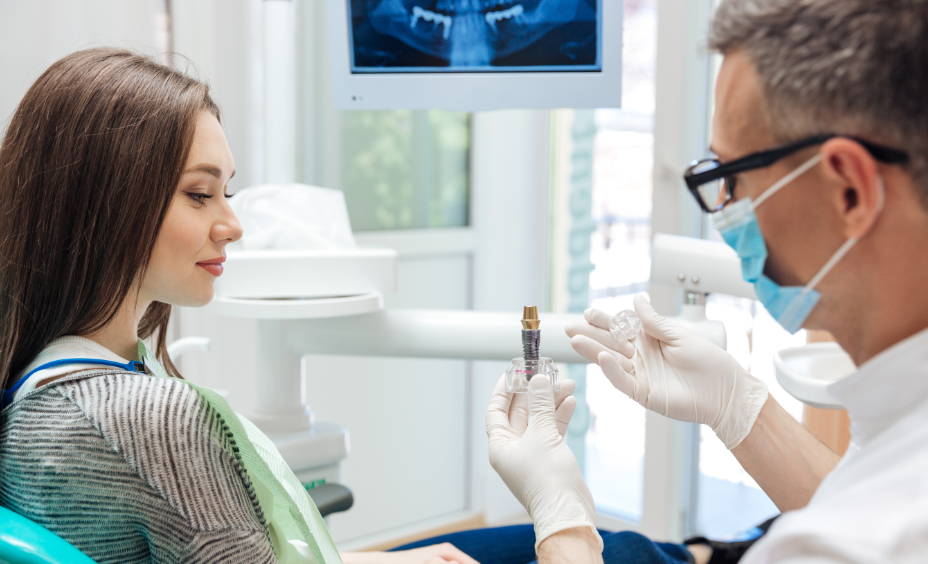
Dental implants are one of the most reliable and natural-feeling ways to replace missing teeth. If you like the idea of implants but worry you might not qualify, you’re not alone. Many patients assume certain health or dental concerns automatically rule them out—but in reality, most challenges can be addressed with proper planning and care.
Understanding the most common factors that affect implant eligibility can help you see what’s possible.
Insufficient Jawbone Density
Dental implants rely on the jawbone for stability, so having enough healthy bone is important. If a tooth has been missing for a long time, the jawbone in that area may shrink due to lack of stimulation.
The good news is that this doesn’t automatically disqualify you. Modern dentistry offers solutions such as bone grafting, which can rebuild bone and create a strong foundation for implants. With the right preparation, many patients with bone loss can still move forward successfully.
Gum Disease or Oral Health Concerns
Healthy gums play a major role in implant success. Active gum disease or untreated oral infections can interfere with healing and increase the risk of complications.
Before placing implants, dentists typically focus on restoring gum health through cleanings, periodontal care, or other treatments. Once the mouth is healthy and stable, implants often become a safe and effective option.
Medical Conditions That Affect Healing
Certain medical conditions, such as uncontrolled diabetes or immune system disorders, can impact how well the body heals after implant placement. Medications that affect bone health may also be a factor.
That said, having a medical condition doesn’t necessarily mean implants are off the table. With careful coordination, treatment planning, and stable health management, many patients with underlying conditions can still receive dental implants safely.
Smoking and Tobacco Use
Smoking and tobacco use can slow healing and increase the risk of implant failure. Nicotine reduces blood flow to the gums and jawbone, which can interfere with the integration of the implant.
For patients who smoke, dentists often recommend reducing or quitting tobacco use before and after implant placement. Making this change can significantly improve outcomes and long-term success.
Poor Oral Hygiene Habits
Dental implants require ongoing care, just like natural teeth. Inconsistent brushing, flossing, or dental visits can increase the risk of infection around implants.
Patients who are willing to improve their oral hygiene routine are often still great candidates. Education, guidance, and regular follow-up can help ensure implants remain healthy and functional for years to come.
Why Eligibility Is More Flexible Than You Think
While these issues can affect implant candidacy, most are manageable with the right approach. Advances in dental technology and treatment planning have made implants accessible to far more patients than in the past.
Rather than viewing implants as an all-or-nothing option, it’s helpful to think of them as a goal—one that many patients can work toward with the right support.
If dental implants interest you, a personalized evaluation can help clarify what steps may be needed to get you there.
About the Practice
Your expert dental team at Richland Dental provides comprehensive dental implant care, including evaluations, preparatory treatments, and long-term restoration planning. We focus on helping patients overcome common barriers to implant treatment by creating personalized plans that support healing, stability, and lasting oral health. Our goal is to guide patients toward comfortable, confident smiles using solutions designed to fit each individual’s needs.
Call us at (972) 812-9701 or request an appointment online.