
Many people want straighter smiles but prefer to avoid the frustration and additional embarrassment of having bulky metal brackets and wires attached to their teeth for months or years at a time.
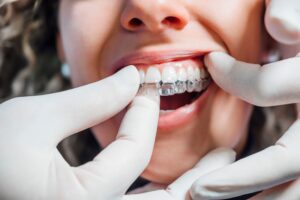
If you’re seeking a more comfortable, discreet solution, you might benefit from Invisalign, which uses transparent plastic trays that fit over your teeth to shift them instead. However, this treatment also poses a few risks if you don’t take the proper precautions. Continue reading to learn about 3 ways this service might affect your dental health and what you can do about it!
Concern #1: Discomfort
Plenty of teens and adults choose this alternative orthodontic solution because the clear aligners are considered less painful than traditional braces. After all, the smooth, plastic material is unlikely to cut or gouge the tender tissues inside your mouth like clipped wires or sharp metal edges.
But the truth is that any service that exerts enough force over your teeth to move them has the potential to hurt, and Invisalign is no exception. It’s normal to feel sore for a few days, especially when adjusting to new trays. Thankfully, this usually resolves on its own and can often be managed with over-the-counter medications, such as ibuprofen or acetaminophen.
Concern #2: Gum Disease
Invisalign must be worn for 20 to 22 hours daily to prevent your teeth from reverting to their starting places, which can potentially add weeks or months to your total treatment timeline. That means most patients should expect to wear them the majority of their days and nights, except during meals and cleanings.
This long wear time gives any bacteria trapped between the plastic and your teeth and gums plenty of time to flourish and cause oral issues, like gum disease. Fortunately, you can help prevent this by removing your trays twice daily to thoroughly scrub all sides with a soft-bristled toothbrush and clear dish soap that won’t abrade the materials but will remove harmful germs and other residue.
Concern #3: Mouth Sores
Although this service is unlikely to cut your gums or the insides of your cheeks or lips the way braces do, it’s still possible to develop sores in your connective tissues. This typically occurs when your trays don’t fit properly and rub against your gums in unintended ways, which can cause blisters that may become infected if left untreated.
You can rinse your mouth with salt water to help alleviate associated aches, then contact your dentist to discuss the fit of your trays. They may need to make new impressions or reorder the upcoming aligners in your series to account for any necessary adjustments.
If you have additional questions about the potential risks of Invisalign or whether this treatment is right for you, you can learn more by scheduling a consultation with your dentist!
About the Practice
Patients at Richland Dental benefit from a compassionate team of providers who are eager to help them build their happiest, healthiest smiles. Dr. T and his wife, Dr. Mansi, collaborate with Dr. Parikh, a skilled prosthodontist, to offer a comprehensive menu of services, including Invisalign, conveniently under one roof. They take the time to learn about your unique dental needs and concerns, then use state-of-the-art technology to deliver personalized treatment plans for beautiful results meant to last. You can request an appointment on the website or call (972) 812-9701.